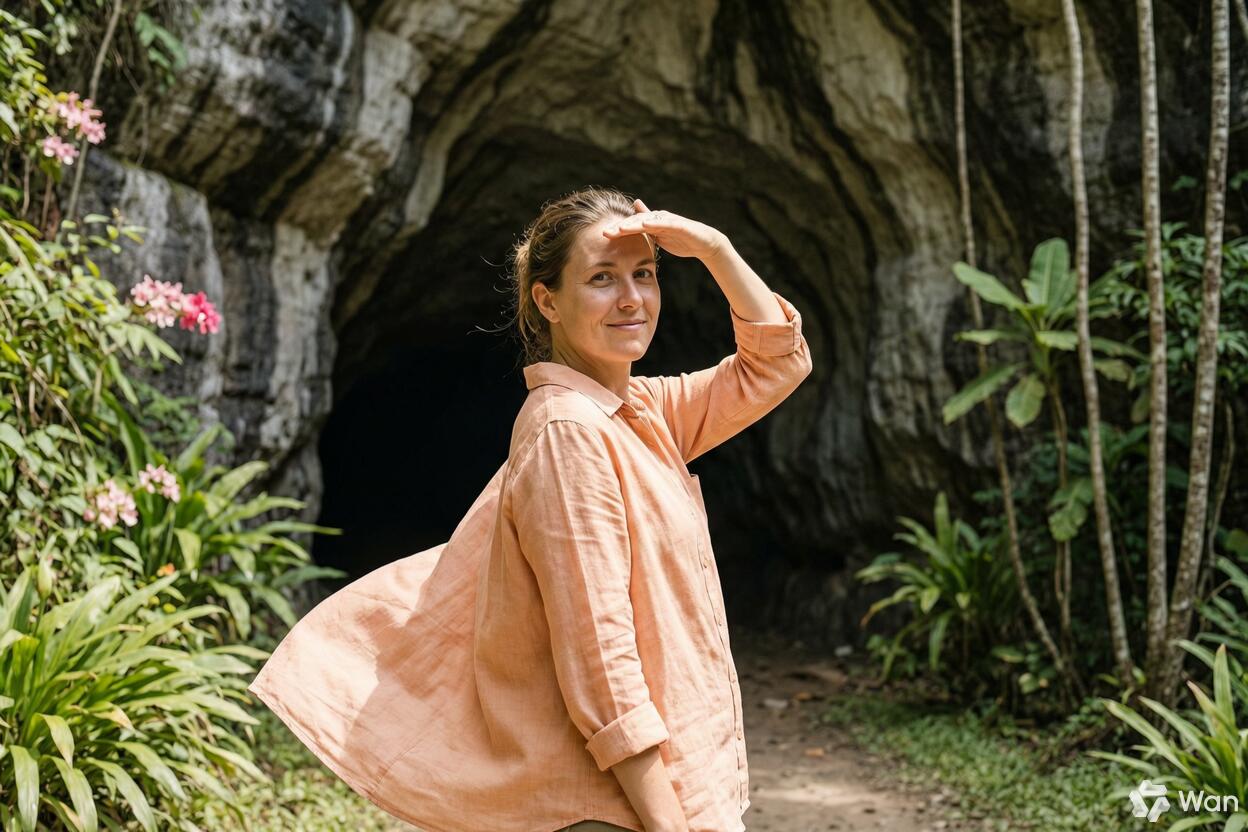
Wan2.7 Image is an all in one image model from Alibaba Cloud, built for both making and editing images. It came out April 2026. It aims to give stronger control over results, like cleaner text in images, better color control, support for multiple reference images, and region based edits. It also handles sets of images that stay consistent.
The Pro version adds 4K output and a “thinking mode”. That mode tries to understand prompts better but slows things down a bit.
It sits in the image generator and editor space. The main versions are wan2.7-image and wan2.7-image-pro. It is live now and sold through API and web tools with per image pricing.
Alibaba built this through its AI teams like Tongyi Lab, and it connects to its wider AI lineup like Qwen. So this is not some small test project, it’s part of a bigger system they already run at scale.
The model focuses on more than just one image at a time. It handles text to image, editing, multi reference inputs, and full image sets in one place. That matters if you need consistency across multiple outputs, like product shots or storyboards.
Alibaba says it fixes common issues. Faces look less generic, text inside images works better, and color control is tighter. There is a palette feature where you can set exact colors and how much they show up. It also claims long text rendering across 12 languages. Sounds good, but real world testing still matters.
Editing is a big part too. You can input up to 9 images, edit specific areas using boxes, and create sequences that stay visually consistent. So you don’t have to restart every time.
Outputs.
Format. PNG output.
Resolution. Pro supports 1K, 2K and 4K, with 4K at 4096×4096.
Aspect ratios. 1:1, 16:9, 9:16, 4:3, 3:4 and custom.
The standard version is faster. Its max resolution is not fully clear in official docs, but some sources say up to 2K. That seems likely, but still a bit unclear.
Prompt length goes up to 5,000 characters. It also supports long text generation up to around 3,000 tokens, which is related but not the same thing.
You can generate 1 to 4 images per request, or up to 12 if using image set mode.
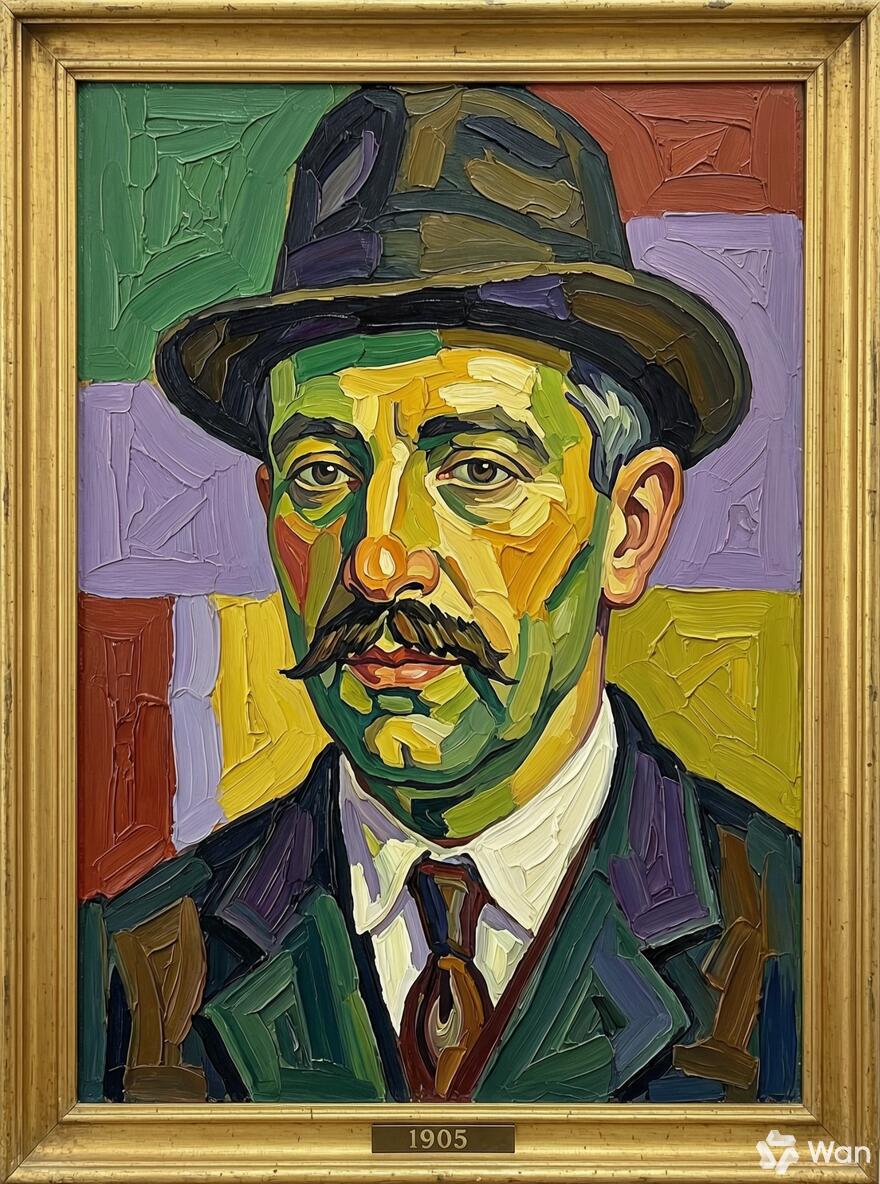
If you'd like to access this model, you can explore the following possibilities: